|
| Mobile and Web 2.0 advancements have transformed digital culture Image credit: Jason Howie (CC BY 2.0) |
After a relatively slow commercial start in the 1990s, Internet and web-based media have proliferated and gained tremendous social, commercial, and political influence in the last decade. The rise of Web 2.0 technologies, smartphone and tablet applications, and mobile-optimized web pages--as well as a host of services utilizing them--has profoundly shaped the culture of modern first-world societies. While these information and communication technologies have offered consumers improved entertainment, heightened business productivity, increased convenience, and unimaginable access to timely information, they have also proved valuable to corporate and government interests and resulted in less desirable social and psychological consequences.
 |
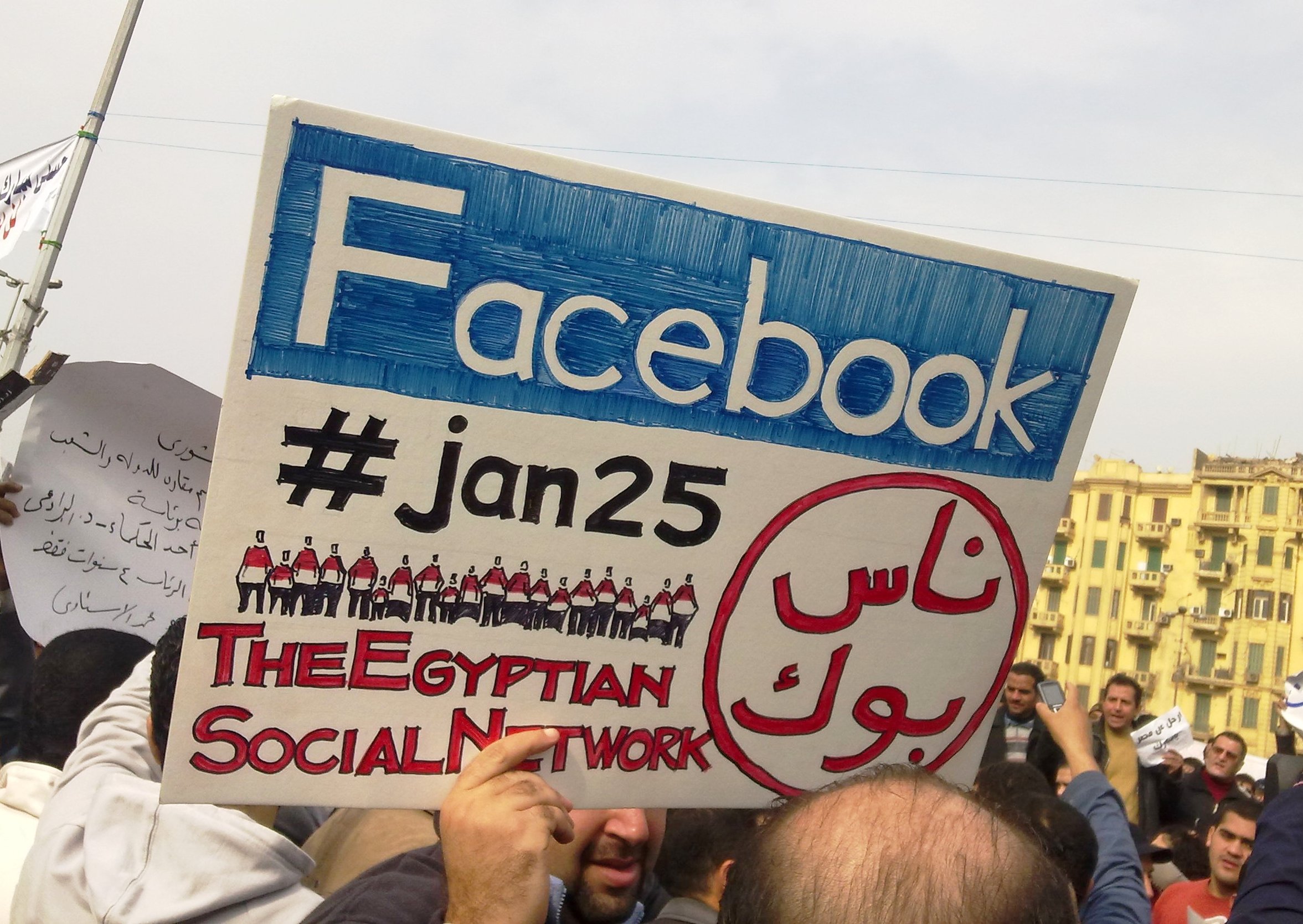
| Social media are indispensable government communication tools Source: Spotlight Communications |
The Fear of Missing Out
Source: The School of Life
SOCIAL AND PSYCHOLOGICAL CONSEQUENCES
For all their convenience and value in providing information and entertainment, web and mobile digital communications technologies are being increasingly attributed as the source of emotional and psychological trauma including depression related to the perception of unattainable standards, overwhelming nostalgia, and the "fear of missing out." Milbourne and Wilkinson (2015) write that "social media connectedness is currently gaining attention by scholars and practitioners alike," claiming that internet technologies may "[erode] the number of close relationships, [create] isolation, [and produce] loneliness" (p. 2). This may manifest itself in the FOMO, or the fear of missing out: “the pictures from parties and other events that are posted on social media often look better and more exciting than what really happened, and for teens and young adults that will always be a problem” (“Seen at 11,” 2015, para. 12). Because what is posted on social media sites is at the discretion of the individual, it often represents a highly-edited construction rather than accurate representation of reality. Young adults in particular may benefit from better mechanisms by which to be informed about such matters as digital culture puts increasing emphasis on these virtual constructions of the self.
_______________
References
Mickoleit, A. (2014). Social media use by governments: A policy primer to discuss trends, identify policy opportunities, and guide decision makers. OECD Working Papers on Public Governance, No. 26. Retrieved from http://www.keepeek.com/Digital-Asset-Management/oecd/governance/social-media-use-by-governments_5jxrcmghmk0s-en#page1
Milbourne, C. C., Wilkinson, J. S. (2015). Chasing Infinity: The Fear of Disconnecting. American Communication Journal, 17(2), 1-14.
References
Mickoleit, A. (2014). Social media use by governments: A policy primer to discuss trends, identify policy opportunities, and guide decision makers. OECD Working Papers on Public Governance, No. 26. Retrieved from http://www.keepeek.com/Digital-Asset-Management/oecd/governance/social-media-use-by-governments_5jxrcmghmk0s-en#page1
Milbourne, C. C., Wilkinson, J. S. (2015). Chasing Infinity: The Fear of Disconnecting. American Communication Journal, 17(2), 1-14.
Gilpin, D.R.(2011). Working the Twittersphere: Microblogging as a professional identity construction. In Z. Papacharissi (Ed.), A networked self: Identity, community, and culture on social network sites (pp. 232-250). New York: Routledge.
Seen at 11: Can social media be a source of digital anxiety? (2015, May 13). CBS New York. Retrieved from http://newyork.cbslocal.com/2015/05/13/seen-at-11-digital-anxiety-fomo-social-media/
Seen at 11: Can social media be a source of digital anxiety? (2015, May 13). CBS New York. Retrieved from http://newyork.cbslocal.com/2015/05/13/seen-at-11-digital-anxiety-fomo-social-media/